
Shiro · ሽሮ
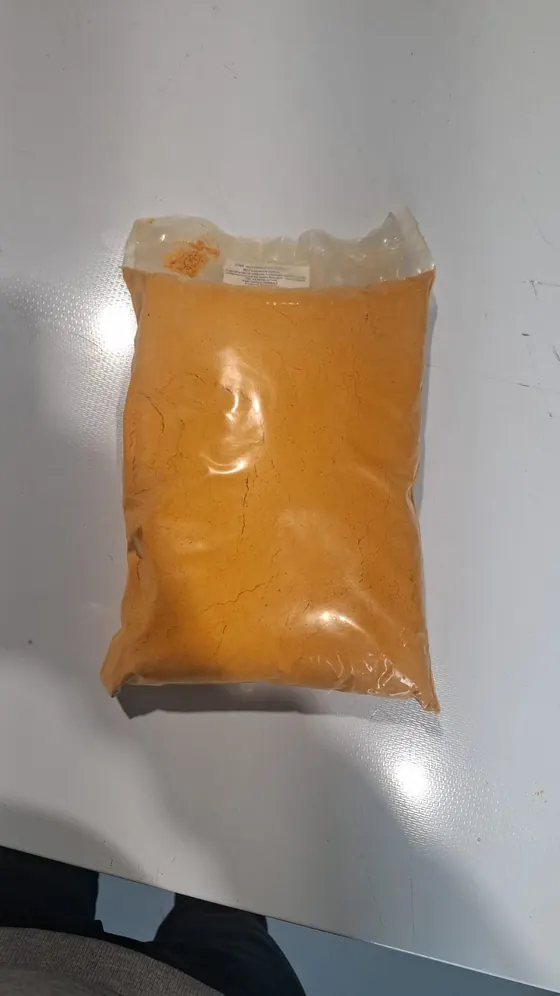
Roasted chickpea milled to a fine powder with garlic, onion, and a measure of berbere. It is the most-cooked dish in the Ethiopian repertoire — cheap, fast, filling and eaten through fasting seasons because it carries no animal product.
How it is cooked
Whisked into simmering water or stock with oil and onion until it thickens — about fifteen minutes. Thin it for a soup-like shiro fitfit, keep it thick for shiro wat. It is served on injera and eaten by hand.
Mild or spiced
Mild carries only the aromatics; spiced is milled with more berbere and runs noticeably hotter. Stock both if you can — households have a firm preference and will not substitute.
Storage and shelf life
Twelve months sealed in a dry cupboard. Once opened it takes on moisture quickly, so an airtight container matters more than refrigeration.
What it goes with
Injera above all, then the fasting plate alongside hilbet, misir and gomen.
Berbere vs mitmita
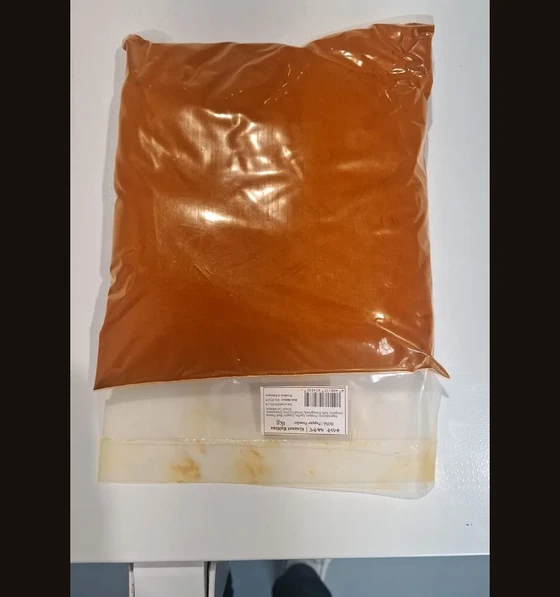
Both are red, both are hot, and they are not interchangeable. Selling them as though they are is the fastest way to lose a Habesha customer.
| Berbere · በርበሬ | Mitmita · ሚጥሚጣ | |
|---|---|---|
| Base | Dried red chilli, ground with a long aromatic list | Bird's eye chilli, a much shorter list |
| Typical build | Garlic, ginger, red onion, oregano, fenugreek, cloves, cinnamon, black cardamom | Cardamom, cloves, salt |
| Heat | Medium–hot, arrives slowly behind the aromatics | Sharp and immediate |
| Colour | Deep brick red | Brighter orange-red |
| Cooked or raw | Cooked into the dish from the start | Mostly raw — dusted or dipped at the table |
| Classic uses | Doro wat, zigni, misir wat, shiro | Kitfo, gored gored, dipping salt for raw meat |
Buying notes
Berbere is the volume line — a household gets through it weekly and buys it in a kilo. Mitmita sells in smaller packs and slower, but the customers who want it will not accept berbere instead. Both should be kept out of direct light: the colour goes first, and colour is how people judge freshness on the shelf.
Ye wet mekelesha
A third blend worth stocking alongside them, and often missed. Cardamom, cinnamon and black pepper, stirred into a wet at the very end to lift it. It is a finishing spice, not a base — a small pack lasts a long time, but its absence is noticed.
Gesho & brewing · ጌሾ
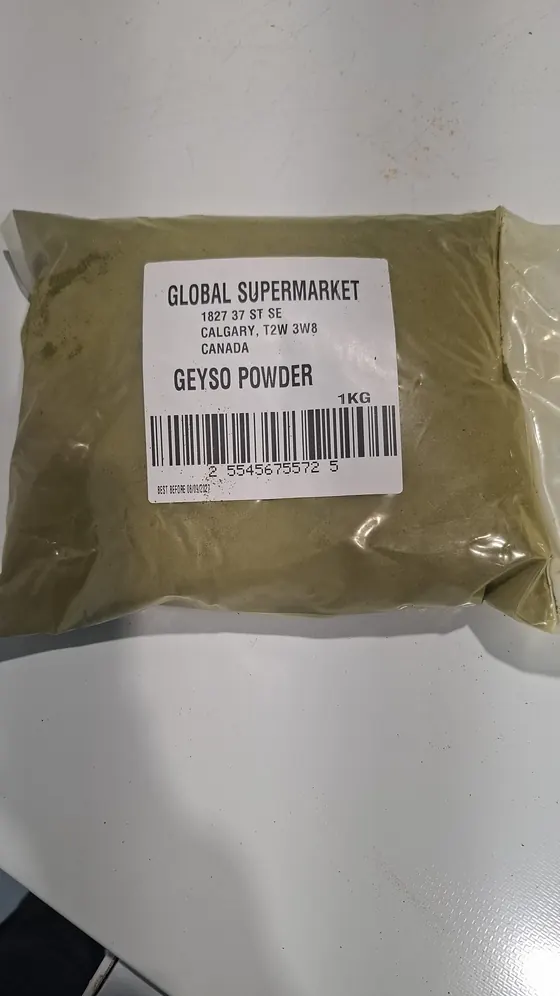
Gesho is the bittering agent in tella and tej — the Ethiopian equivalent of hops, from the shiny-leaf buckthorn. Without it, honey wine is just sweet and beer is just sour.
Three formats, three uses
- Powder — milled, fastest to infuse, the usual choice for tej. Doses easily.
- Stick — whole stems, steeped rather than milled. Traditional for tella, and slower and rounder in the finish.
- Leaf — dried leaf, the mildest of the three and the quickest to give up its bitterness.
Tella, roughly
Barley or wheat is roasted and coarsely ground, mixed with gesho and water, and left to ferment for several days in a warm place. Beso and roasted grain go in along the way. Every household does it differently, and everyone insists their version is correct.
Tej, roughly
Honey and water, with gesho added after the first few days of fermentation. Sweeter, stronger, and traditionally served in a berele — the round-bottomed flask.
Buying notes
Households buy the format their family uses and rarely switch. Stock at least powder and stick. It is plant material, so a phytosanitary certificate is required for most export destinations — see logistics.
Stock the range these guides describe
Full specifications, HS codes and container quantities in the catalogue.